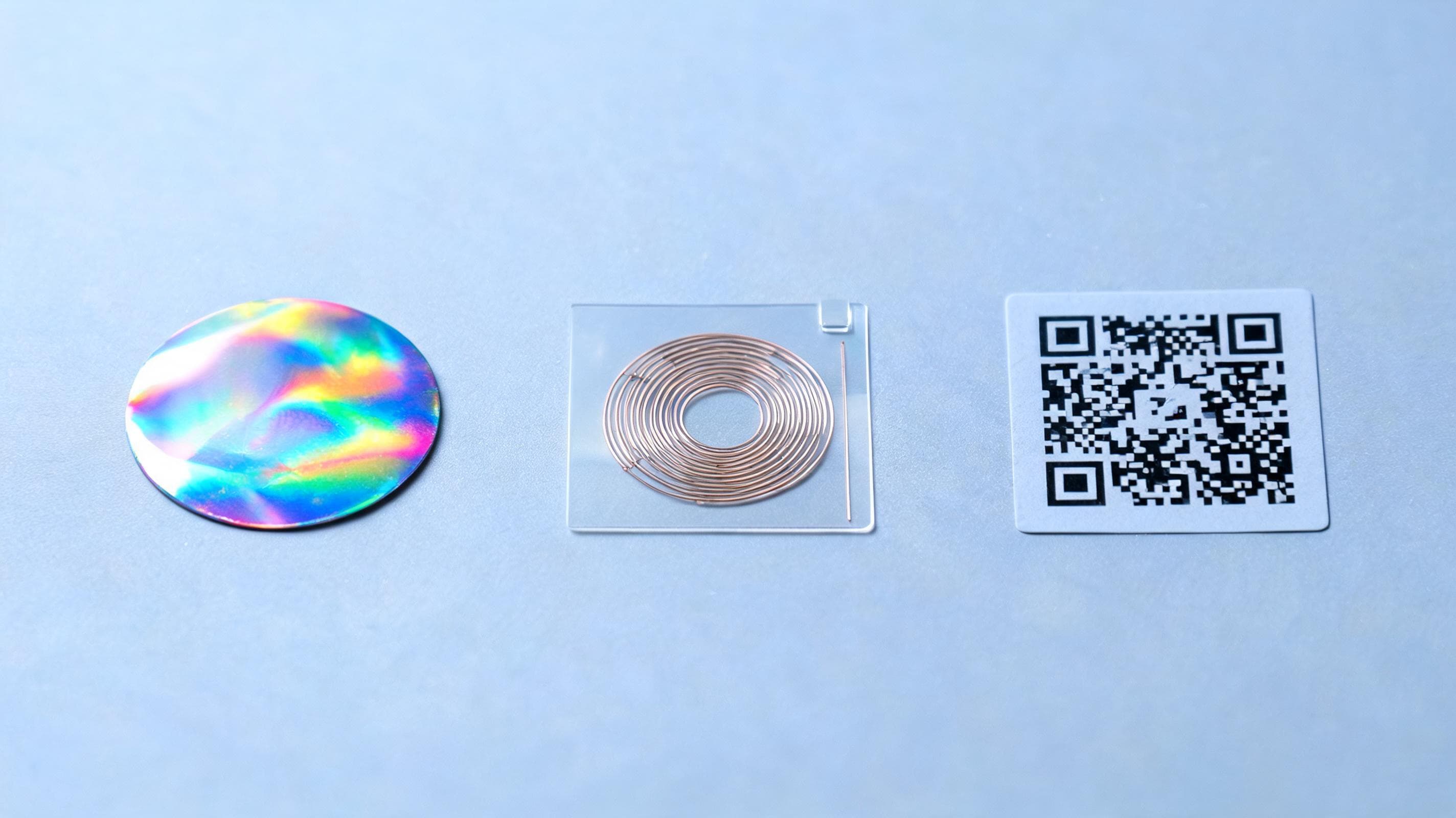
Every brand-protection manager eventually faces the same procurement question: hologram stickers, RFID tags, or serialized QR codes? Vendors of each will tell you theirs is the answer. The honest answer is that these three technologies solve different problems, fail in different ways, and cost very differently at scale — and the right choice depends on what you are protecting, who needs to verify it, and what you want to learn from the field. This comparison lays out the trade-offs without the sales gloss, so you can match the technology to the threat.
The stakes justify the diligence. FICCI CASCADE and the Thought Arbitrage Research Institute valued India's illicit market across just five key industries at ₹7.97 lakh crore in 2022-23, and globally the OECD and EUIPO estimated trade in fakes at US$467 billion (about ₹39 lakh crore) in 2021. Anti-counterfeit budgets are real money; spending them on the wrong layer is the most common mistake we see.
The comparison at a glance
| Criterion | Serialized QR codes | Holograms | RFID / NFC |
|---|---|---|---|
| Security model | Unique identity per unit, verified against a live database; cryptographic signing defeats guessing; clones detectable through scan analytics | Physical difficulty of replication; static — the same hologram on every unit; convincing copies are widely available to counterfeiters | Unique chip ID per tag; strong when paired with cryptographic authentication (NFC); passive UHF tags are readable but less consumer-verifiable |
| Per-unit cost tier | LOW — printed with existing packaging; cost sits in software and integration, not the mark | LOW to MEDIUM — per-label cost, plus application step; security-grade holograms cost more than commodity foils | MEDIUM to HIGH — a physical chip and antenna on every unit, plus readers and encoding infrastructure |
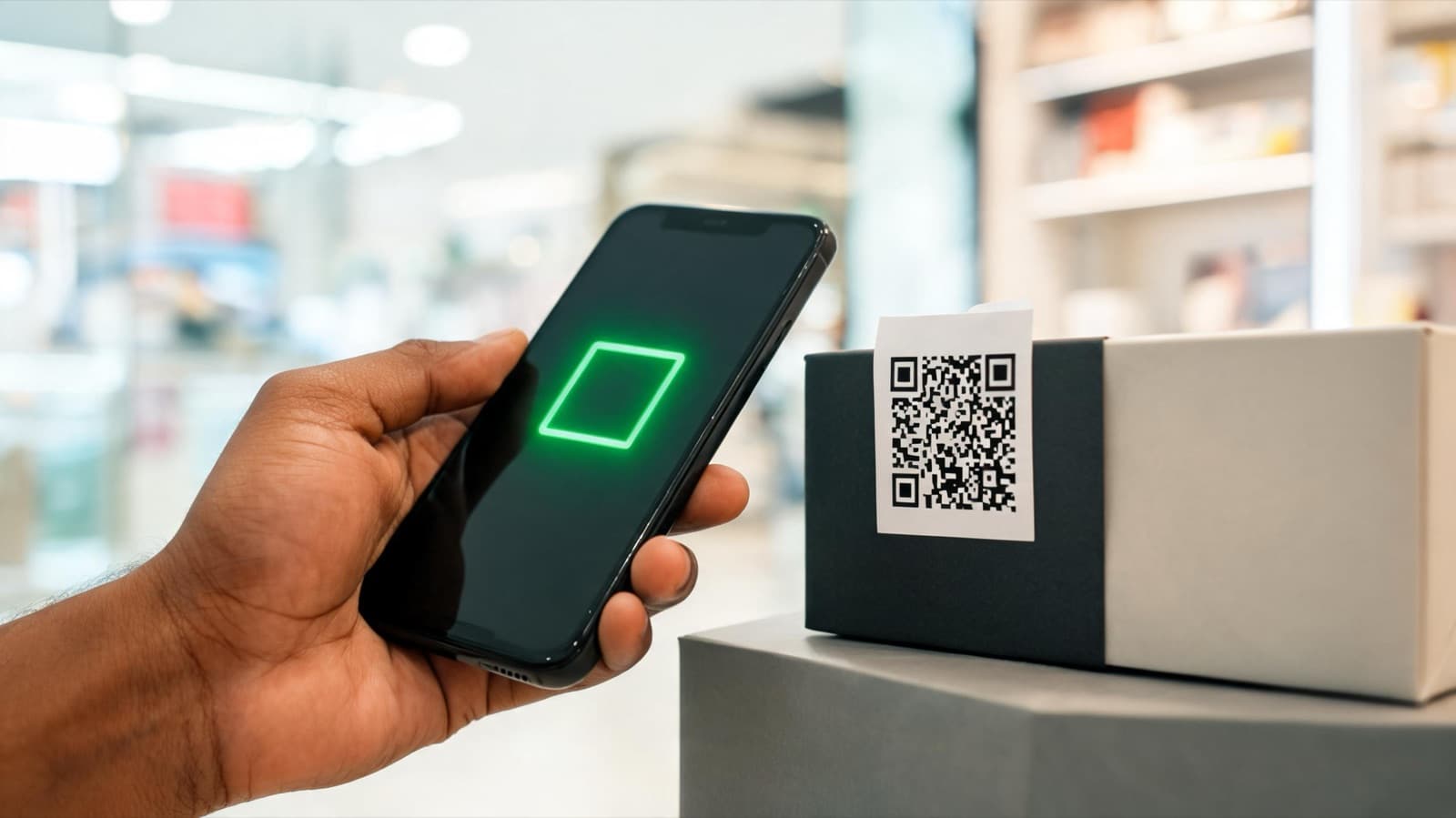
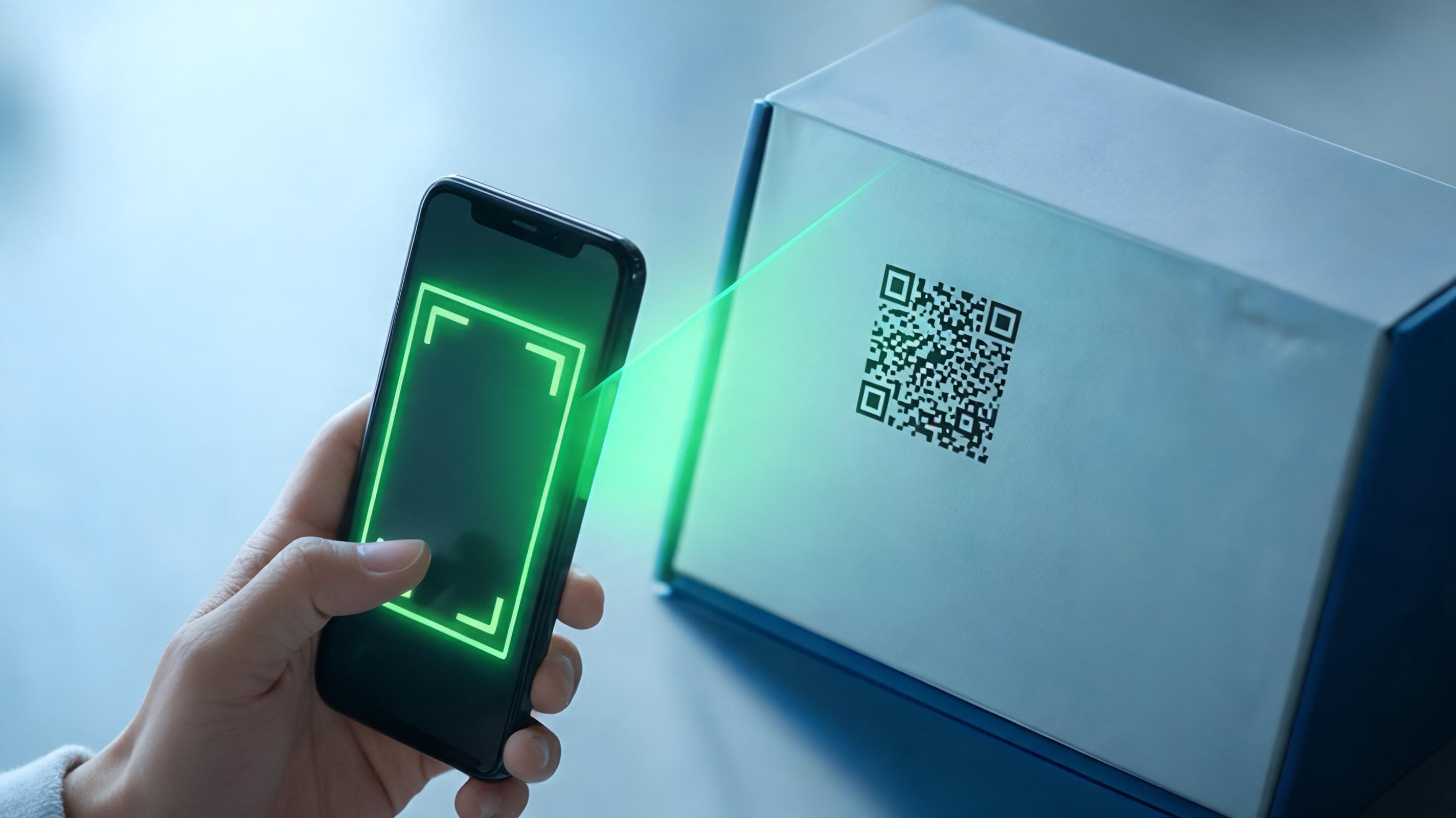
| Consumer verifiability | Excellent — any smartphone camera, no app required with web-resolving codes | Poor — consumers cannot distinguish a genuine hologram from a good fake; verification is essentially "does a shiny sticker exist" | Partial — NFC works with modern phones held close; UHF RFID is invisible to consumers entirely |
| Analytics and intelligence | Rich — every scan yields time, location and device signals; enables clone detection, diversion mapping, counterfeit hotspots | None — a hologram generates no data | Strong inside your own infrastructure (warehouse reads, gate scans); weak in the wild unless consumers tap NFC |
| Retrofit onto existing packaging | Easy — added to artwork or applied as printed labels; no hardware on the product | Easy — applied as labels or hot-stamped, though application adds a line step | Hard — tags must be embedded or applied, metal and liquid products interfere with reading, and line changes are significant |
What each technology is actually good at
Holograms: a visual deterrent, not an authentication system
Holograms deserve a fair hearing: they are cheap, familiar to consumers, and add a step for the counterfeiter. The problem is what they cannot do. A hologram is identical on every unit, so it carries no identity — it cannot tell you which unit is genuine, where it was scanned, or whether it was already claimed. And because consumers have no reference for what your genuine hologram looks like, a passable imitation defeats the entire mechanism at the only moment that matters. Counterfeiters routinely copy holograms convincingly enough for the point of sale.
Where they still make sense: as one visible layer in a multi-layer scheme, and in categories where buyers expect them. As the only protection, they are security theatre.
RFID and NFC: superb logistics, expensive authentication
RFID's genuine superpower is bulk, line-of-sight-free reading: a warehouse gate can inventory a full pallet in seconds, which no optical code can match. For supply-chain visibility inside your own four walls — receiving, picking, shrinkage control — UHF RFID is often worth its cost. NFC, its short-range cousin, adds real cryptographic authentication: chips that compute a fresh signature on every tap are effectively uncloneable.
The obstacles are cost and physics. A chip and antenna on every unit puts RFID in the medium-to-high cost tier per unit, which is hard to justify on fast-moving consumer goods. Metal packaging and liquids interfere with radio performance. And for consumer verification, only NFC participates at all — it requires a deliberate tap, works at a few centimetres, and support varies across the installed base of phones. For high-value goods — luxury, spirits, electronics accessories — cryptographic NFC is a strong option. For everything else, the economics rarely close.
Serialized QR codes: identity, verification and data in one printed mark
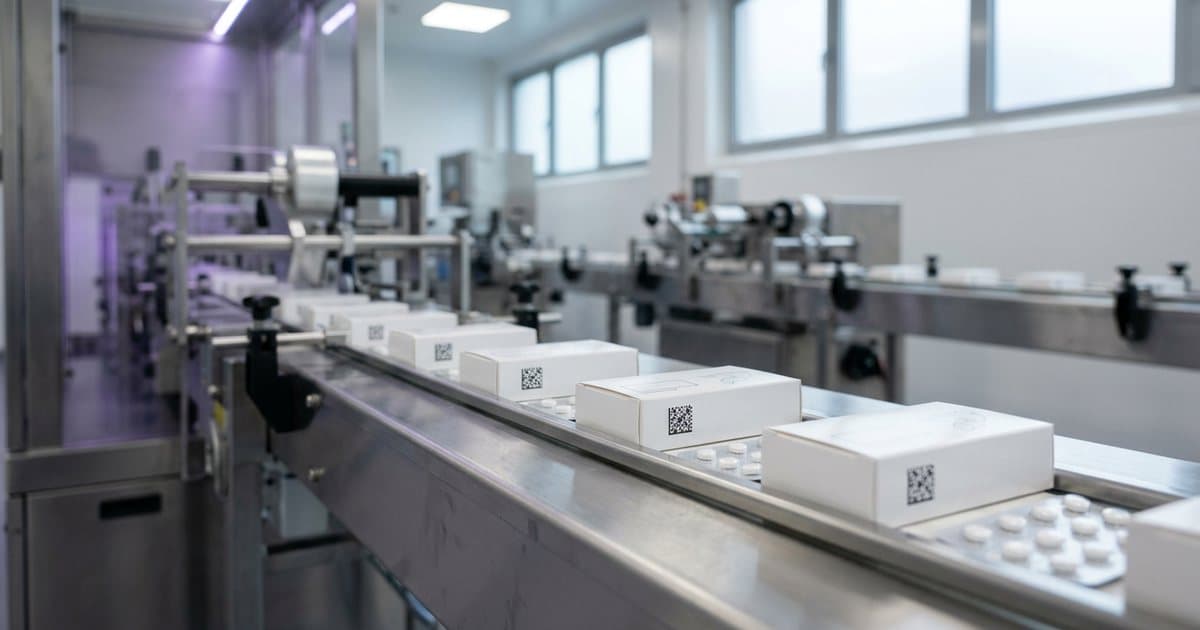
A serialized QR programme gives every unit its own identity — not "this is brand X product Y" but "this is unit 8,412,905 of batch 2207, made in March, shipped to distributor D". Verification happens against a live backend, which changes the security model fundamentally: the mark on the pack is just a pointer, and the intelligence lives server-side where a counterfeiter cannot reach it.
Three properties follow. First, anyone can verify — a phone camera and a web browser are the entire consumer toolchain. Second, copies incriminate themselves: a counterfeiter who photocopies a genuine code creates duplicates, and duplicate serials scanned in two cities at once are exactly what scan analytics are built to catch — we explain the signals in detail in how AI fraud detection catches counterfeits. Third, every scan is data: verification traffic maps your grey market, reveals counterfeit hotspots by region and channel, and hands your enforcement team coordinates instead of anecdotes.
The honest limitations: a QR code requires the consumer to scan for the strongest protection to engage (though the deterrent works even at low scan rates, since counterfeiters cannot know which units will be checked), and a naive implementation — sequential serials, no signing, no analytics — can be gamed. Serialization quality matters.
How to choose: match the technology to the threat
- Your main problem is counterfeit product reaching consumers → serialized QR is the core layer. Consumer verifiability plus clone analytics attack the counterfeiter's business model directly.
- Your main problem is internal logistics visibility → RFID inside your supply chain, where you control the readers.
- You sell very high-value items where per-unit cost is irrelevant → cryptographic NFC, usually alongside a serialized QR for universal phone compatibility.
- You need a visible cue for trade buyers → a security hologram as a supplementary layer over or beside the QR — never alone.
- Budget is tight and SKUs are many → start with serialized QR on your most-counterfeited SKUs; the marginal print cost is near zero, so coverage scales with software, not hardware.
Layering is legitimate strategy, not indecision — our anti-counterfeit packaging guide covers how tamper evidence, security inks and serialized codes combine on a single pack.
Total cost of ownership: where the money actually sits
Per-unit cost tiers tell only half the story; the other half is where the spend lives. Hologram budgets are consumable budgets — every label bought, applied and thrown away, forever, with nothing accumulating. RFID budgets are split between consumables (tags) and infrastructure (readers, encoders, integration), and pay back mainly inside your own operations. Serialized QR inverts the shape: the marginal unit is effectively free, and the budget sits in platform, integration and the people who act on the data — costs that scale with your programme's ambition rather than your production volume. That shape matters at Indian FMCG volumes, where any per-unit consumable, however small, multiplies into a permanent line item, while a software layer amortises across every additional unit printed.
Frequently asked questions
Can counterfeiters just copy a QR code?
They can copy the image — but a copy of a serialized code is a duplicate of one specific serial, not a new valid identity. When that serial starts verifying from multiple locations, or verifying after it was already registered, the analytics layer flags it. Cryptographic signing closes the other door: counterfeiters cannot mint new serials that validate, because they cannot forge the signature.
Are holograms ever worth using?
As a supplementary visible deterrent, sometimes — particularly where trade buyers expect them or regulators require a physical security feature. As a standalone authentication mechanism, no: they carry no per-unit identity, generate no data, and consumers cannot reliably distinguish genuine from fake holograms.
Is NFC more secure than a QR code?
A cryptographic NFC chip that computes a fresh response per tap is harder to clone than any printed mark. But security is a system property: a signed, serialized QR verified against live analytics catches cloning through behaviour rather than physics, works with every phone camera, and costs a fraction per unit. For most product categories, QR delivers more protection per rupee; NFC earns its cost at the top of the price ladder.
What does per-unit cost really look like for serialized QR?
The printed mark itself typically adds nothing meaningful to packaging cost, because it rides on printing you already do. Real costs are software and integration: identity generation, printing workflow changes, verification hosting and analytics. That is why QR sits in the LOW tier per unit — cost scales with your programme, not your volume.
See the difference live
Qrynto issues cryptographically signed per-unit QR identities with AI fraud scoring on every scan — the serialized-QR column of the table above, implemented end to end. The fastest way to evaluate it is to scan one: try the live scan demo to experience verification from the consumer side, then book a demo to discuss which layers fit your products.