India's illicit market across five key industries was estimated at ₹7.97 lakh crore in 2022-23 (FICCI CASCADE / TARI) — and the products behind that number are not sold in dark alleys. They sit on regular shelves and marketplace listings, in packaging that looks exactly like the original. This guide covers the practical checks anyone can run in under a minute, what a genuine digital verification actually looks like, and what to do when a product fails the test.
Why fakes are so hard to spot
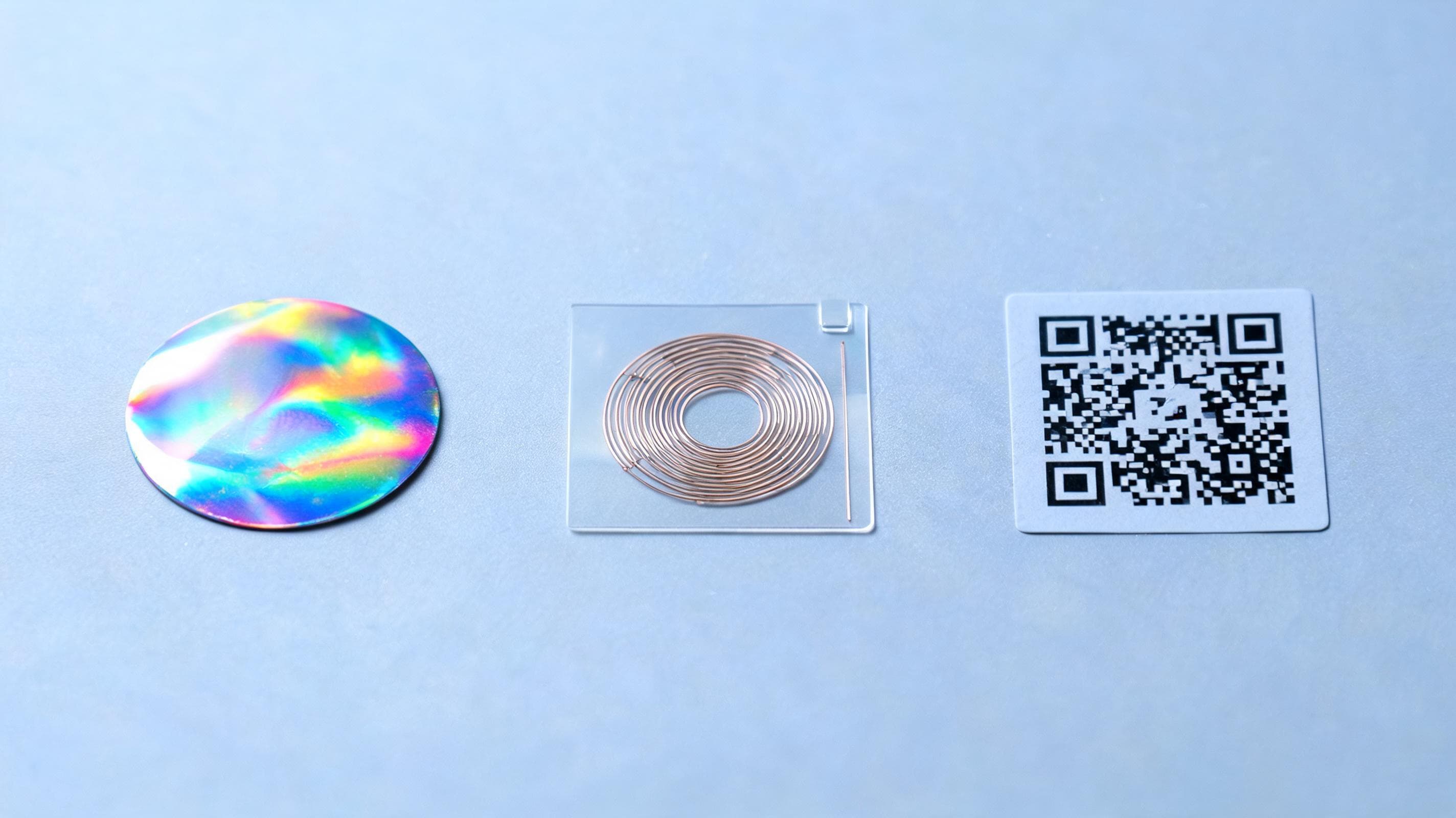
Counterfeiting stopped being a cottage industry a long time ago. High-resolution printing, holographic film and even copied barcodes are cheap and accessible, so the visual gap between a genuine pack and a fake one keeps shrinking. E-commerce adds another layer: when multiple sellers ship into shared marketplace inventory, a genuine listing photo tells you nothing about the unit that arrives at your door.
That is why the reliable checks are layered: packaging first, printed identifiers second, digital verification third, and the sales channel as a constant background signal.
Step 1: Inspect the packaging
- Print quality. Blurry text, bleeding colours, or fonts that vary between the box and the leaflet are classic tells. Brands control print quality tightly; counterfeiters cut corners.
- Spelling and grammar. Read the label slowly. Misspelt brand names, odd word breaks and translated-sounding phrases show up constantly on fakes.
- Seals and closures. Broken, re-glued or missing tamper seals matter — especially on food, cosmetics and medicines. A seal that looks added on top of the original (rather than integrated into the pack) is a red flag.
- Stickers over stickers. An MRP or importer sticker pasted over another label can indicate relabelling or grey-market rerouting.
Step 2: Read the small identifiers
Genuine products carry a set of small printed details that fakes often get wrong or omit entirely:
- Batch or lot number plus manufacturing and expiry dates — check they exist, are printed (not part of the artwork), and make sense together.
- Regulatory identifiers — food products carry an FSSAI licence number, medicines a manufacturing licence number, cosmetics an importer or manufacturer address. Missing identifiers are a stronger signal than most people realise.
- Customer-care details — a genuine brand prints a reachable phone number or email. Fakes either copy the original (which still works against them when you call) or print dead contacts.
Step 3: Scan the QR code — and know what real verification looks like
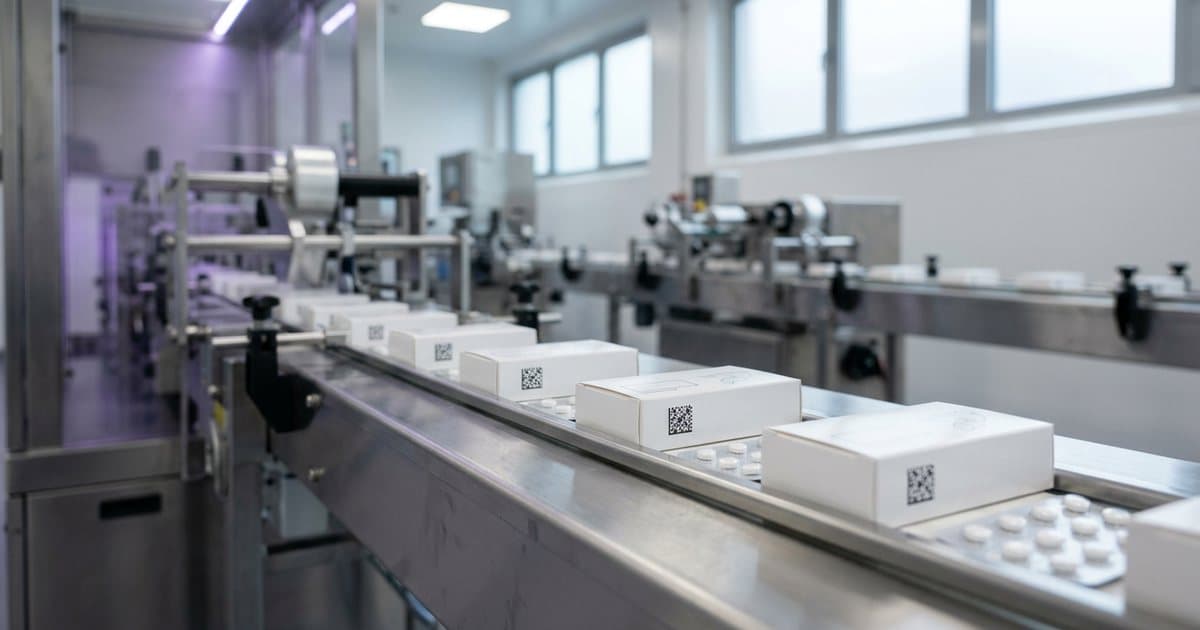
More and more brands now put a scannable code on every unit. But not all QR codes do the same job, and knowing the difference is the single most useful skill in this guide.
A marketing QR is identical on every unit and simply opens the brand's website. It proves nothing about your specific unit — a counterfeiter can print the same code a million times.
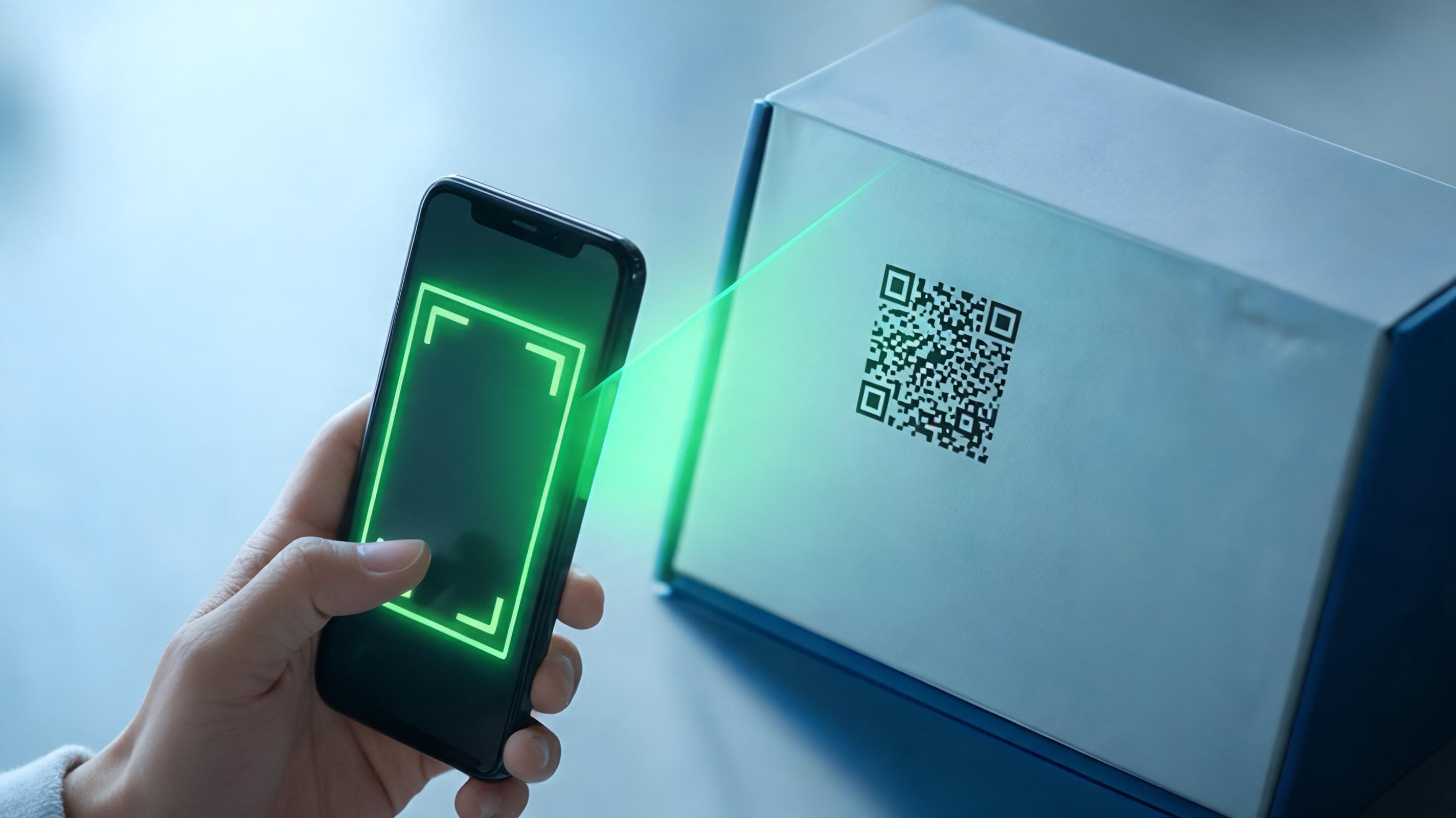
A verification QR is unique to the individual unit. When you scan one:
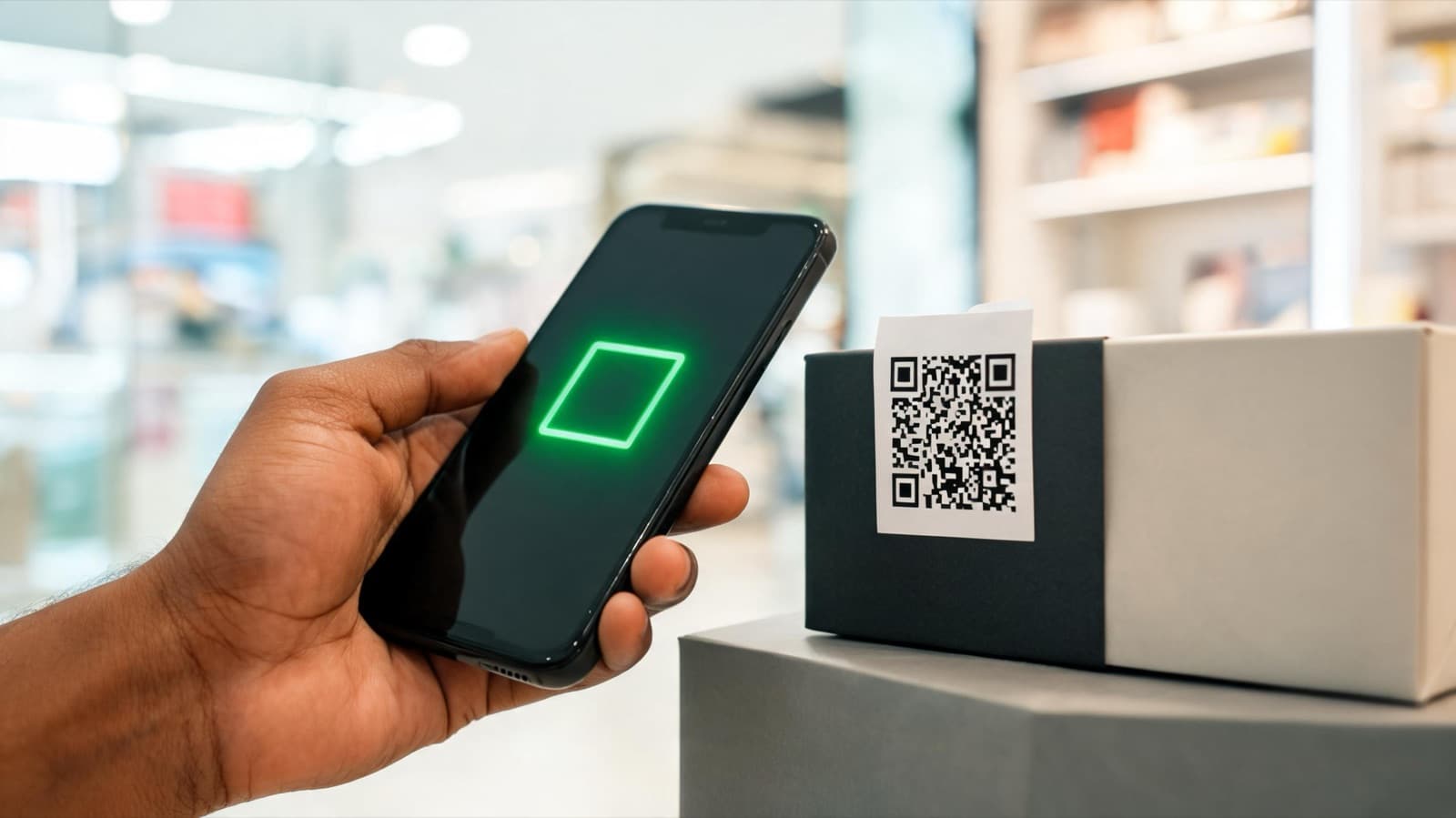
- It opens a verification page in your browser — no app or account needed.
- The page shows your specific unit's product name, batch and status — not a generic brochure.
- The result is a clear pass or a warning. Systems like Qrynto verify a cryptographic signature on the server and check the code's scan history, so a copied code surfaces as "already scanned elsewhere" or fails outright.
Treat these outcomes as warnings: the code leads nowhere or to an unrelated site; the page shows a "this code has been scanned an unusual number of times" notice; or the product details on the page don't match the pack in your hand.
Step 4: Judge the sales channel
- Price far below market is the oldest signal and still the best. Steep discounts on products that rarely go on sale deserve suspicion.
- Authorized sellers. Many brands publish authorized distributor and seller lists — worth checking for high-value purchases.
- Grey-market imports may be genuine products, but formulated or certified for another market, with no local warranty. Check for an Indian importer label.
Where fakes are most common
Sourced estimates give a sense of where the risk concentrates in India: packaged foods alone accounted for roughly ₹2.24 lakh crore of illicit trade in 2022-23, and personal & household care about ₹74,000 crore (both FICCI CASCADE / TARI). The WHO has estimated that around 10% of medical products in low- and middle-income countries are substandard or falsified. Automotive spares, liquor and mobile accessories are persistent hotspots because refill and relabel fraud is cheap to run at retail level.
What to do if you suspect a fake
- Stop using the product — especially food, medicine, cosmetics or anything safety-critical like vehicle parts.
- Keep the evidence. The pack, the receipt, the listing screenshot and the QR scan result all matter.
- Report it to the brand. If the scan page offers a report option, use it — brands act on these because each report maps a counterfeit distribution point. You can also report a suspected counterfeit here.
- Escalate if needed. The National Consumer Helpline (1915) and the e-Daakhil portal handle consumer complaints in India.
Frequently asked questions
Can the QR code itself be faked?
A QR code can be photocopied, but on a serialized system a copy is detectable: the same identity starts appearing in multiple places, and scan-history and signature checks flag it. What a counterfeiter cannot do is mint new valid codes, because each one carries a cryptographic signature only the platform can produce. Our post on how QR authentication works goes deeper.
Is a product without a QR code fake?
No. Adoption varies by brand and category. Absence of a code just means you rely on the other checks in this guide; presence of a verification code gives you a definitive answer.
Do I need a special app to verify?
On a well-designed system, no — your phone camera opens the verification page in the browser. Be cautious with products that force an unknown app download to "verify".