Counterfeiting is not a fringe crime that happens to other brands. FICCI CASCADE and the Thought Arbitrage Research Institute valued India's illicit market across five key industries at ₹7.97 lakh crore in 2022-23 — textiles alone at ₹4.04 lakh crore, packaged foods at ₹2.24 lakh crore. The Authentication Solution Providers' Association estimates counterfeiting costs India around ₹1.05 lakh crore every year. And the problem is global: the OECD and EUIPO put international trade in fakes at US$467 billion (about ₹39 lakh crore) in 2021. If your brand has any equity worth copying, someone is either copying it or evaluating the opportunity.
QR authentication is the most widely deployable answer, because it attacks the counterfeiter's business model with the one device every customer already carries. Here is how it actually works — and what separates a real authentication system from a decorative QR code.
The core idea: give every unit its own identity
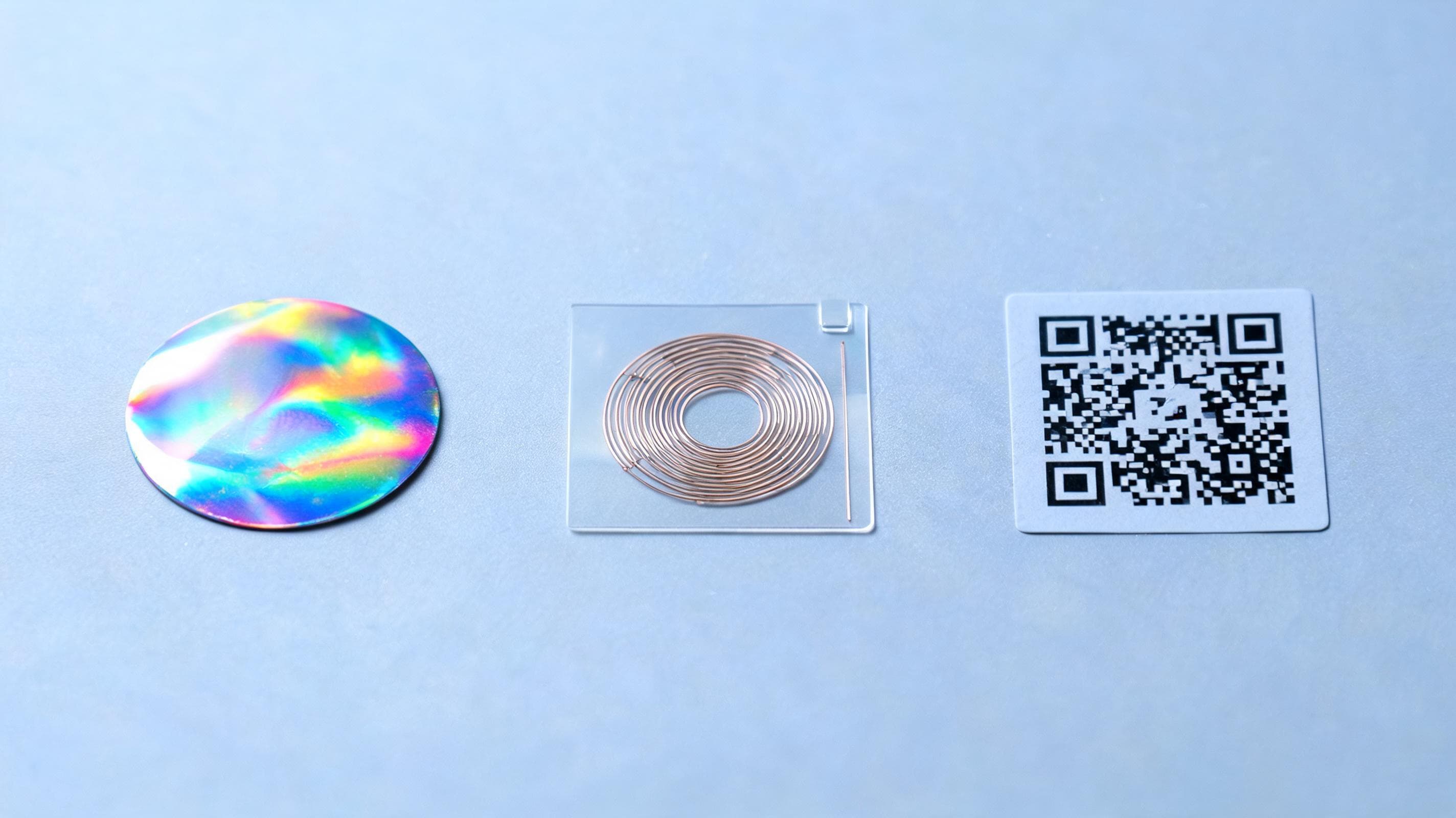
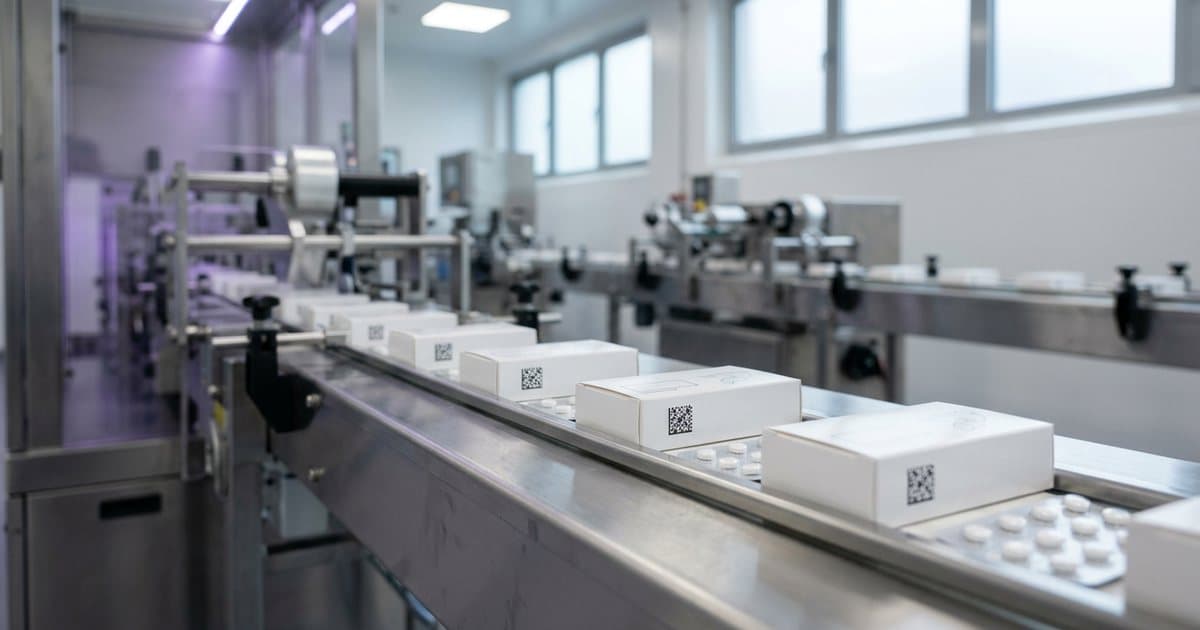
A conventional barcode says "this is a 200ml bottle of product X" — the same code on every unit, telling you what the product is, never which one it is. QR authentication inverts this. Each unit receives a unique serialized identity at manufacture: this specific bottle, from this batch, made on this date, dispatched to this distributor. The QR code on the pack encodes that identity as a web link; scanning it queries a live verification backend that knows every identity ever issued.
Three design properties make the system trustworthy:
- Uniqueness. No two units share an identity, so a claim of authenticity is checkable at the level of the individual object in the customer's hand.
- Cryptographic signing. Identities are signed, not sequential. A counterfeiter cannot guess valid serials or mint new ones — any invented code fails verification instantly, because it either does not exist in the registry or fails its signature check.
- Server-side truth. The pack carries only a pointer. The intelligence — scan history, dispatch records, fraud analysis — lives in the backend where counterfeiters cannot see or alter it. The printed code is the doorbell, not the vault.
"But can't they just photocopy the code?"
This is the objection every brand raises first, and it deserves a direct answer: yes, a counterfeiter can photocopy a genuine QR code — and doing so walks them into the trap. A copied code is a duplicate of one specific identity, not a new valid one. The moment the same serial starts verifying from two cities at once, or racks up scan counts no single household could produce, the analytics layer flags it — clone detection, impossible travel and velocity analysis exist precisely for this, and we unpack them in how AI fraud detection catches counterfeits.
The economics compound against the copier. Copy one code onto ten thousand fakes and the duplicate signal is deafening. Buy ten thousand genuine units to harvest ten thousand unique codes and the counterfeit business stops being profitable. Either way, the brand wins the exchange — which is the point: authentication does not need to make copying impossible, only unprofitable and self-incriminating.
What the customer experiences
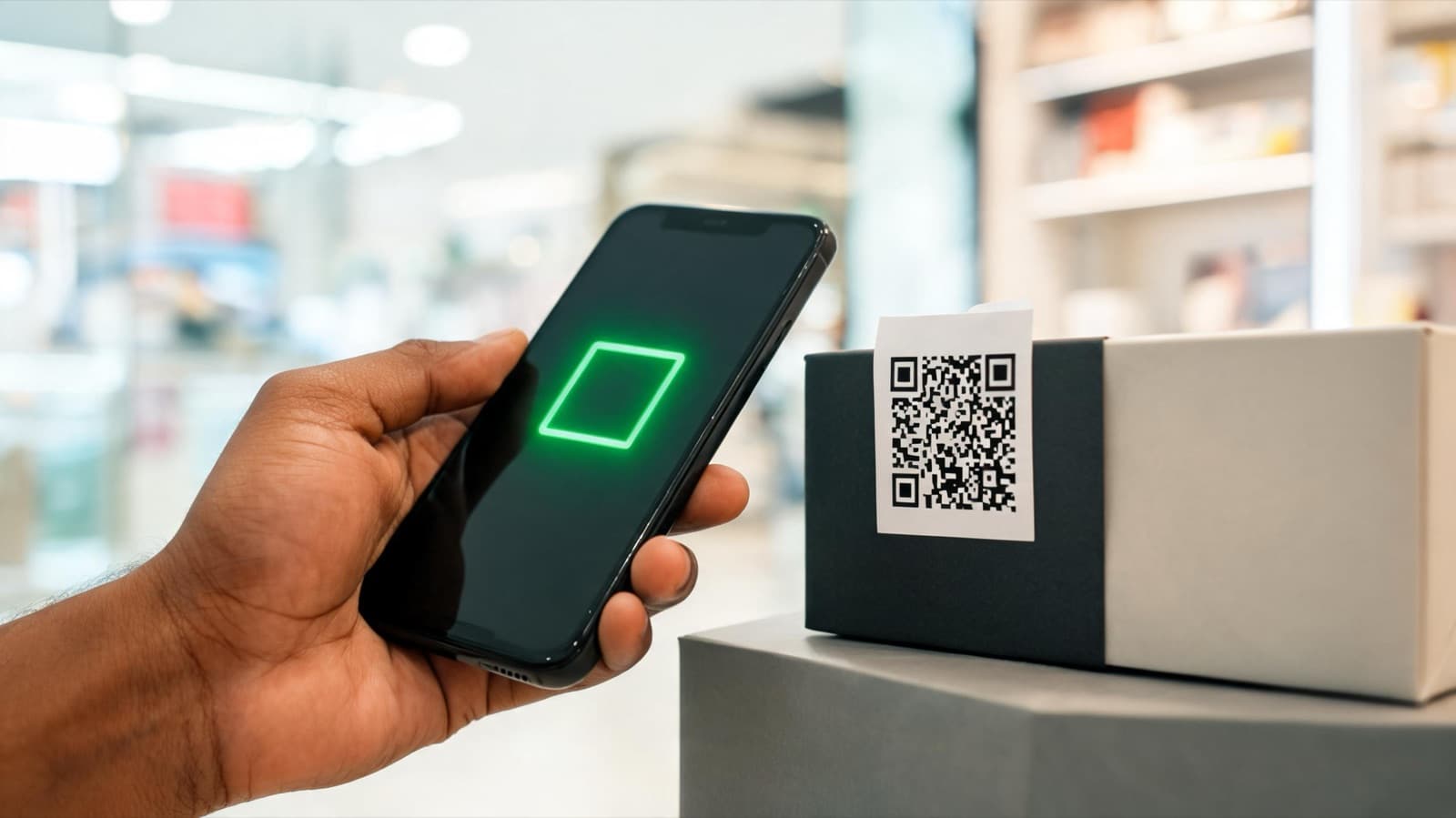
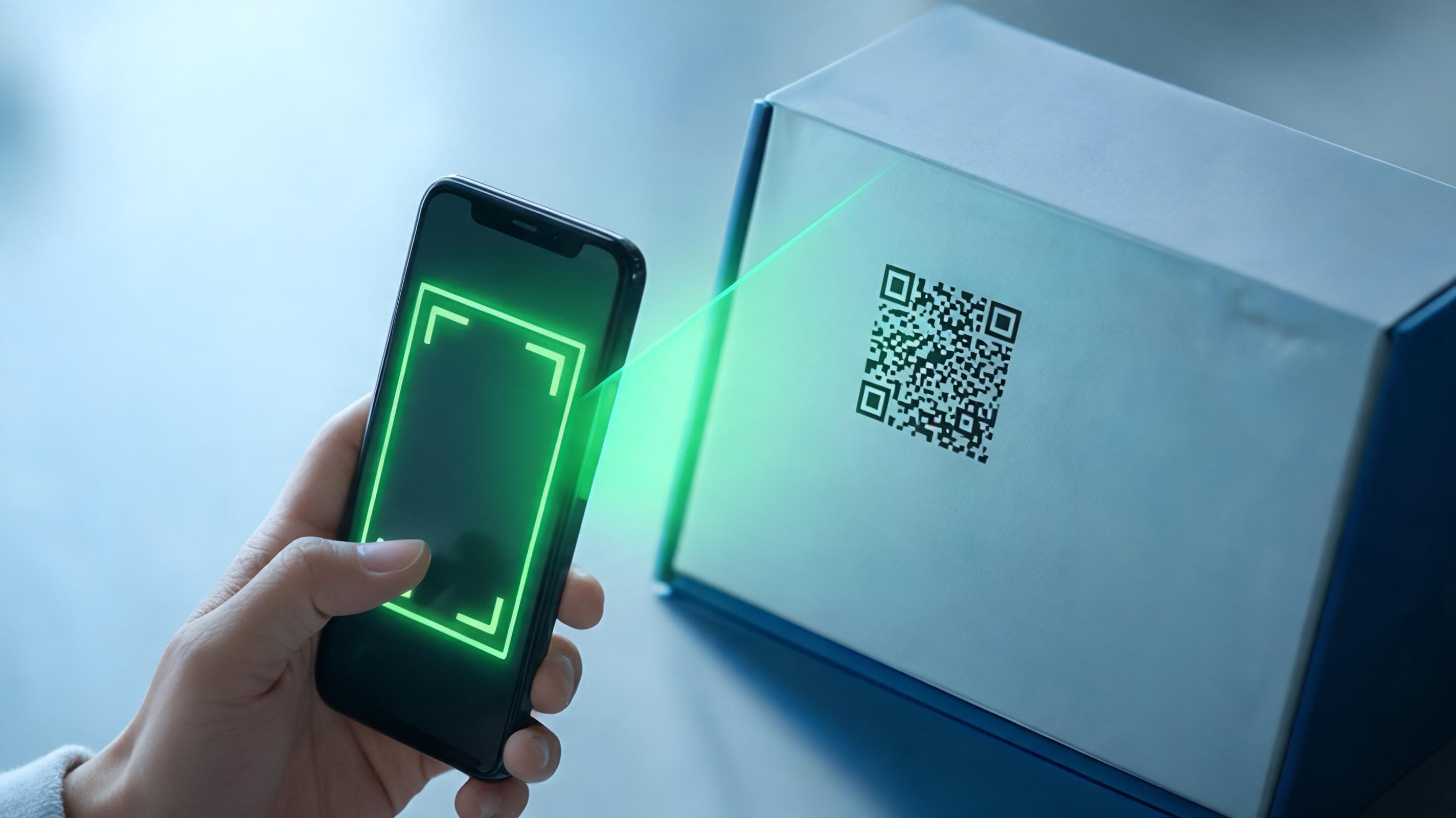
The consumer-facing flow has to survive a five-second attention span, and it does: point the phone camera at the code, tap the link, see the verdict. No app download, no account, no typing. A genuine unit shows its verified identity — product, batch, and provenance the brand chooses to share. A suspicious unit shows a warning and a path to report where it was bought.
That warning screen deserves emphasis, because it converts your customers into a detection network. Every shopper who scans a fake becomes a sensor: the scan tells you a counterfeit exists, where it is, and — aggregated with others — which channel it came through. A counterfeit discovered at a service counter or in a complaint email is months old; a counterfeit discovered at the moment of purchase is live intelligence.
What the brand gets: from verification to intelligence
Verification is the visible feature; the durable value is the data exhaust. A serialized authentication programme gives brand-protection, sales and supply-chain teams things they have never had:
- A live map of scans — where products are actually being bought and verified, versus where you shipped them.
- Counterfeit hotspots — suspicious-scan clusters localized by region and channel, ranking where enforcement effort will pay.
- Diversion visibility — genuine serials verifying in markets they were never dispatched to expose grey-market flows and leaking distributors.
- Real-time alerts — high-risk scan events pushed to the team as they happen, with the serial's full history attached.
- Evidence for enforcement — scan records of cloned serials document the scale and geography of a counterfeit operation for legal action.
The same identity layer then earns its keep beyond security: warranty registration bound to serials kills fraudulent claims, batch-level identity makes recalls surgical instead of blanket, and the scan moment becomes an owned consumer touchpoint for provenance stories, usage guidance or loyalty.
What separates real authentication from a decorative QR
Plenty of packs carry QR codes that merely open a website — same code on every unit, no identity, no verification. If you are evaluating solutions, these are the discriminating questions:
- Is every unit unique? If the same code appears on two units, it is marketing, not authentication.
- Are identities cryptographically signed? Sequential or guessable serials invite counterfeiters to mint their own.
- Is there active fraud analysis on scans? A registry without clone detection and anomaly scoring verifies the honest and misses the criminal — detection is the deterrent.
- Does verification work with a bare phone camera? App-only verification collapses consumer participation; web-resolving codes make every smartphone a checkpoint.
- Is the identity standards-based? GS1 Digital Link encoding means the same code can serve retail checkout, regulatory compliance and authentication — one code, not three.
Where to start: a pilot that proves the model
Authentication programmes succeed as pilots and fail as big-bang rollouts. A workable first quarter looks like this:
- Pick the SKU counterfeiters already love. Your most-copied product carries the strongest business case and generates meaningful scan data fastest. Enforcement teams usually know which one it is without being asked.
- Serialize one production run. Add the serialized code to existing artwork or apply printed labels — the goal is speed to market, not final packaging design.
- Define the two scan responses. What a genuine verification shows, and exactly what a failed or suspicious verification says and asks of the customer. The warning screen deserves as much design attention as the success screen — it is your evidence-collection form.
- Route alerts to a named owner. High-risk scan events must land with someone empowered to act — brand protection, sales operations, or the founder's own inbox in a smaller company.
- Review the first ninety days of scan data against dispatch records: where scans happened versus where stock went is the first honest map of your channel most teams have ever seen — and the business case for the full rollout writes itself from it.
Scaling from there is repetition, not reinvention: the second SKU reuses the identity infrastructure, the scan responses and the alert routing, so each addition costs less than the last. Most portfolios end up tiered — full serialization on attacked and premium lines, batch-level identity on the long tail — under one architecture.
Frequently asked questions
How is QR authentication different from a normal barcode or QR code?
A normal barcode identifies the product type — identical on every unit. An authentication QR carries a unique, cryptographically signed identity per unit, verified against a live backend on every scan. One tells you what the product is; the other proves which unit it is and whether that unit is genuine.
What happens when a counterfeit QR code is scanned?
Two failure modes, both visible. An invented code fails verification outright — the identity does not exist or fails its signature check — and the scanner sees a warning. A photocopied genuine code verifies at first but creates duplicate-scan patterns (two locations, impossible travel, abnormal velocity) that flag the serial and expose the operation's footprint.
Do customers really scan authentication codes?
A fraction of units get scanned, and the system is designed for that reality. Scans concentrate where suspicion is highest — exactly the most valuable data — and a single duplicated serial needs only two scans to expose itself. Brands raise scan rates where needed by attaching value to the scan: warranty activation, authenticity certificates, loyalty benefits.
How long does it take to roll out QR authentication?
The pack change is the fast part — a serialized code added to existing artwork or applied as labels. The real timeline lives in workflow: integrating code generation with production, deciding scan-response content, and training the channel. Single-SKU pilots typically move quickest and prove the model before a portfolio rollout.
Try a verification yourself
Qrynto issues cryptographically signed, per-unit QR identities — GS1 Digital Link native — and scores every scan for fraud in real time, from clone detection to counterfeit hotspots. The quickest way to understand it is to do what your customer would: run the live scan demo and see a verification verdict first-hand. Then book a demo to map authentication onto your most-copied SKUs, or read how the platform is secured on our security page.