Somewhere in a drawer in almost every Indian household is a stack of warranty cards — some stamped, most not, several belonging to products that were replaced years ago. The paper warranty card is a system that fails everyone politely: the customer loses the card or never gets it stamped, the retailer treats stamping as optional, the service centre adjudicates claims from documents it cannot verify, and the brand ends every quarter with no idea who owns its products or when their coverage started. Digital warranty management — a QR code on the product that registers coverage in one scan — replaces that entire chain of paper with a single verifiable event. Here is what changes, for the customer and for the brand.
Why paper warranty cards fail everyone
The customer's experience
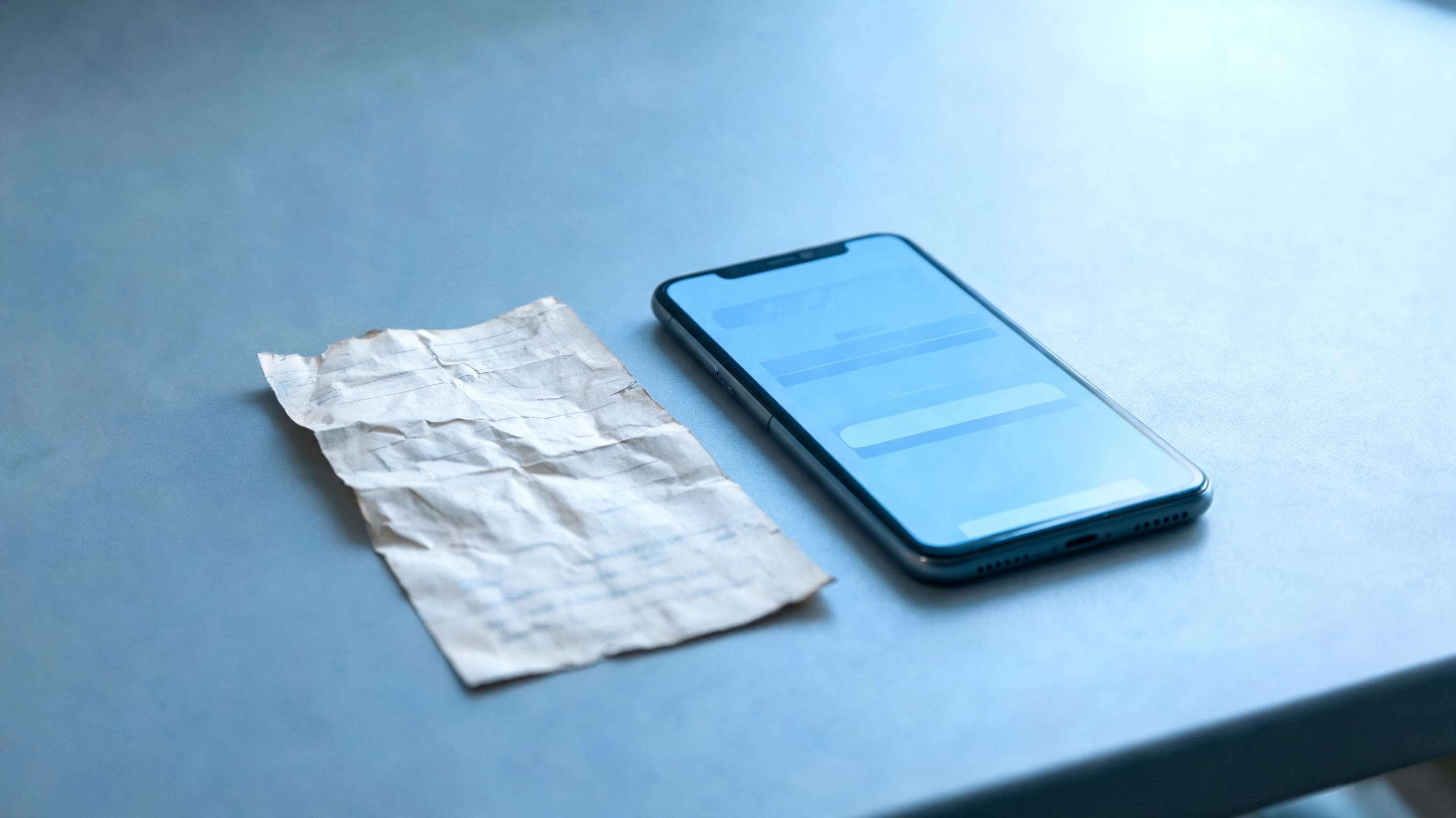
The card demands the customer preserve two artefacts — the stamped card and the purchase invoice — for years, then produce both at a moment of stress. Lose either and coverage evaporates, regardless of how genuine the claim is. Registration-by-post or by web form fares little better: transcribing an eighteen-character serial number from a label under the appliance is where most goodwill goes to die.
The brand's blind spot
Unregistered warranties mean unregistered customers. The brand that sells a million appliances a year through distribution typically knows almost none of its end customers — no channel for recall notices, no data on where products actually end up, no relationship until something breaks. The paper card is not just friction; it is a discarded customer connection, product after product.
The fraud invitation
Paper adjudication invites abuse: altered invoice dates that resurrect expired coverage, recycled serial numbers supporting multiple claims, grey-market imports arriving at service centres with lookalike paperwork, dealers pre-activating warranties to hit targets. Every weak link traces to the same flaw — entitlement lives in unverifiable documents. We dissect the fraud patterns and their fixes in warranty fraud and the grey market.
How QR-based digital warranty works
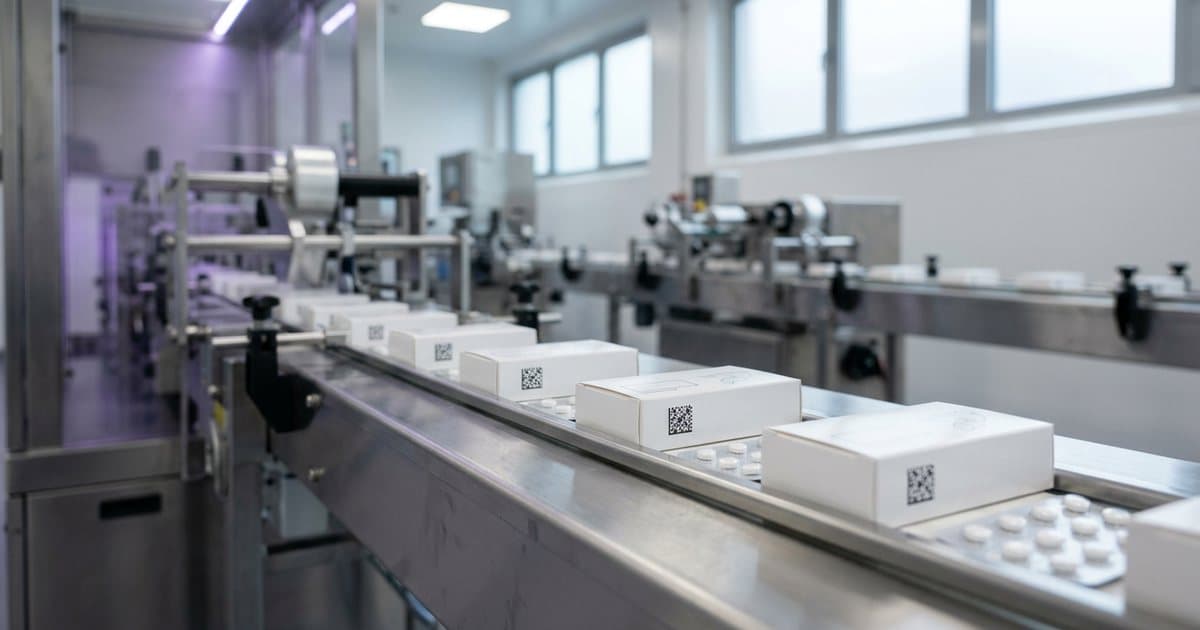
The mechanics are simple enough to explain in one paragraph. Every unit carries a unique, serialized QR code applied at manufacture. At purchase, the customer scans the code with a phone camera — no app — and lands on a registration page that already knows the product, model and serial. They confirm a few details; the platform records the activation with its timestamp, location and channel. Coverage now begins from a verified event, bound permanently to that one physical unit.
At claim time, the service centre scans the same code and sees the truth instantly: activation date, coverage status, claim history. No card, no invoice archaeology, no judgement calls at the counter.
What the unique identity guarantees
- One unit, one warranty. A serial already activated cannot be activated again — duplicate and recycled-serial claims fail as database errors, not arguments.
- Entitlement that cannot be forged. The activation record lives server-side; there is no document to alter. Cryptographically signed identities mean fabricated codes fail verification outright.
- Authenticity check included. The registration scan is also an authentication scan — a counterfeit unit fails at the door instead of consuming a genuine repair, and the brand learns a fake exists and where.
- Market-of-sale visibility. Because each serial records its intended market and channel, grey imports seeking local warranty identify themselves at the scan.
Paper vs digital, side by side
| Question | Paper warranty card | QR-based digital warranty |
|---|---|---|
| Where does entitlement live? | In documents the customer must preserve and the brand cannot verify | In a server-side activation record bound to the unit's serial |
| Can coverage dates be forged? | Yes — invoice and stamp fraud are routine | No — the activation timestamp is recorded at scan, not claimed later |
| Can one unit support multiple claims? | Often — serials are transcribed, not validated | No — one serial, one activation, enforced by the database |
| Does the brand learn who bought the product? | Rarely — cards are seldom returned | Every activation registers an owner |
| What does the customer keep for five years? | A card and an invoice | Nothing — the product itself carries its record |
| What happens with grey imports? | Indistinguishable at the counter | Flagged at scan against the serial's market of record |
What brands gain beyond fraud control
- A registered customer base, finally. Every activation converts an anonymous distribution sale into a known owner — the foundation for recall outreach, service reminders, accessories and upgrades.
- True market telemetry. Activation geography shows where products actually sell versus where they shipped — channel performance and diversion patterns in the same dataset.
- Cleaner service economics. Claims validate in seconds against ground truth; fraudulent claims stop leaking money, and honest claims resolve faster, which is what customers remember.
- Extended-warranty revenue with proof. Selling extensions requires knowing coverage status per unit — trivial once entitlement is digital, impossible from a drawer of cards.
- A quieter benefit: dispute deflation. Most warranty arguments are really evidence arguments. When both sides see the same activation record, the argument usually ends before it starts.
None of this requires the customer to change behaviour beyond one scan — which is why the model works in India's heterogeneous retail landscape. The kirana store, the regional distributor and the metro hypermarket all sell the same serialized unit; the phone in the buyer's pocket is the only infrastructure the programme depends on. Channel diversity, the thing that makes paper processes unmanageable, is irrelevant to a code that resolves in any browser.
Rolling it out: a practical checklist
- Serialize at manufacture. The identity must be on the unit before it enters the channel — retrofit stickers at retail cannot anchor grey-market detection.
- Keep registration under a minute. Scan, confirm, done. Every extra form field costs registrations; ask only what you will actually use.
- Decide the activation trigger. Customer scan, retailer scan at billing, or either — each has trade-offs between registration rate and channel control.
- Set duplicate and grey-market policy up front. What happens on a second activation attempt, and what cover (if any) an off-market unit gets, must be policy before launch, not improvisation after.
- Integrate service intake. Service centres must validate serials against the platform at claim intake — the loop closes there, or not at all.
- Give the customer a reason to scan. Instant proof of authenticity plus activated coverage is usually enough; add onboarding content or support access where categories need more pull.
What to measure after launch
A digital warranty programme produces its own scorecard, and the first quarter of data usually reshapes channel conversations. The numbers worth watching:
- Activation rate by SKU and channel — the share of sold units that get registered. Low-performing channels reveal where retailers skip the scan prompt or where packaging placement buries the code.
- Time from sale to activation — long gaps suggest customers are discovering the code late; instant clusters at dealer premises before any sale suggest pre-activation gaming.
- Claim validation outcomes — the split between claims that validated cleanly, claims rejected as duplicates or unregistered serials, and claims flagged as off-market units. This is the fraud-control dividend, quantified.
- Geographic spread of activations vs dispatches — the same comparison that powers diversion detection, available free from warranty data.
These metrics compound: activation rate proves the customer experience works, validation outcomes prove the fraud controls work, and the geography proves the channel data is real. Together they turn the warranty programme from a cost centre into an instrument.
Frequently asked questions
Does digital warranty registration require a mobile app?
It should not. A well-built system resolves the QR code in any phone browser — scan with the native camera, register on a web page. Requiring an app install is the single fastest way to suppress registration rates, and it excludes exactly the mass-market buyers a warranty programme needs to reach.
What happens if the customer never scans the code?
Brands set a fallback rule — commonly coverage deemed from a dispatch or sale date when no activation exists. The programme still wins: fraud controls apply at claim time via the serial, and every unit that is scanned adds a registered customer. Digital warranty degrades gracefully; paper warranty starts degraded.
Can digital warranty work through offline retail and distributors?
Yes — that is where it shines. The QR code needs no retailer hardware or POS integration: the customer's phone does the work, and retailer-assisted activation at billing is an option, not a dependency. Kirana-to-modern-trade heterogeneity is exactly the environment paper cards fail in and phone-based registration survives.
Is the QR warranty code the same as an authentication code?
On a well-designed platform, yes — one serialized identity serves both. The registration scan verifies authenticity, and later verification scans enrich the unit's history. Running warranty and authentication on separate codes doubles print complexity and halves the data value of every scan.
Retire the drawer of cards
Qrynto binds warranty to cryptographically signed per-unit QR identities: scan-to-register activation, duplicate-claim blocking, grey-market flagging and authenticity verification in the same scan — with every event feeding the platform's fraud analytics. If your service network still adjudicates paper, book a demo to see activation-to-claim run end to end, or explore the wider identity platform on our features page.